Artificial Intelligence for Museums
Launching an artificial intelligence project in your museum
Artificial intelligence is transforming museum practices by facilitating the documentation and indexing of collections.TEKLIA develops AI solutions tailored to heritage institutions to enrich metadata, explore artworks through their content, and improve access to collections through processes controlled and validated by professional teams.
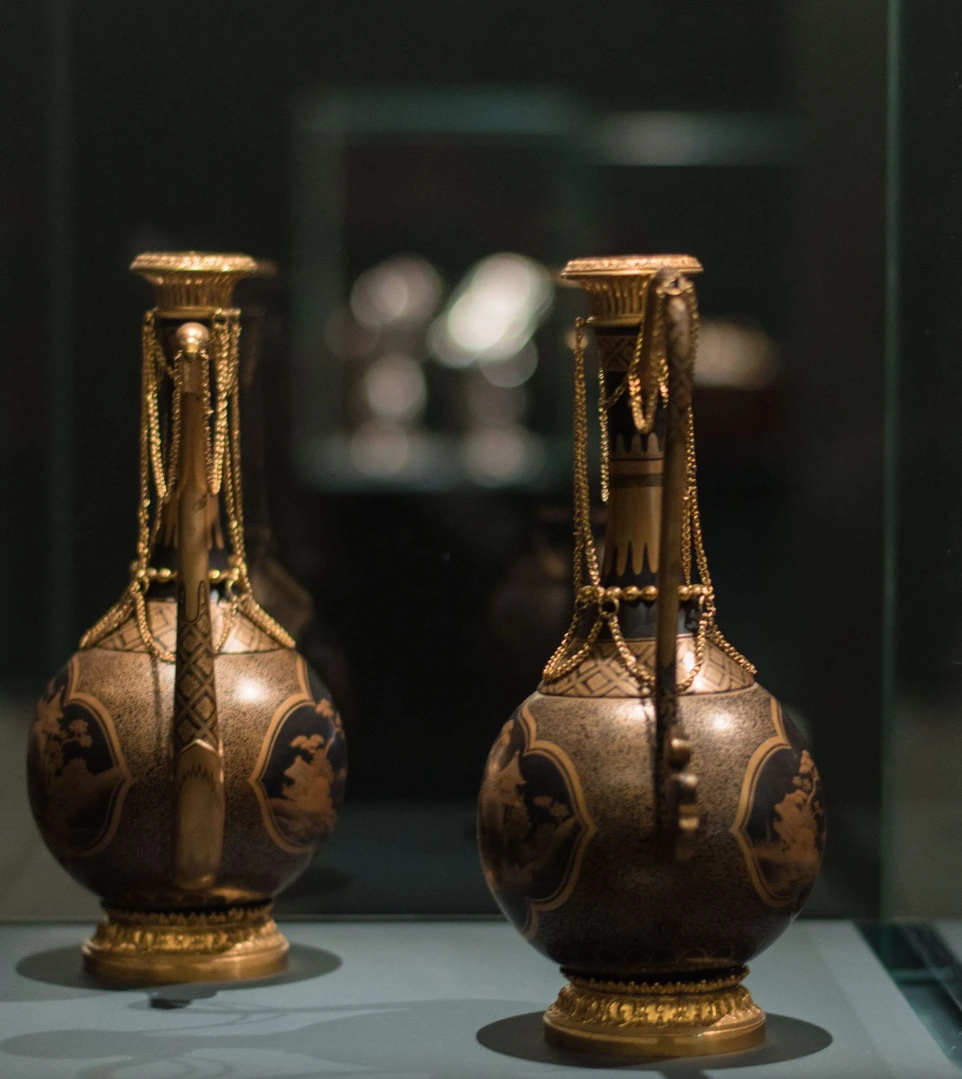
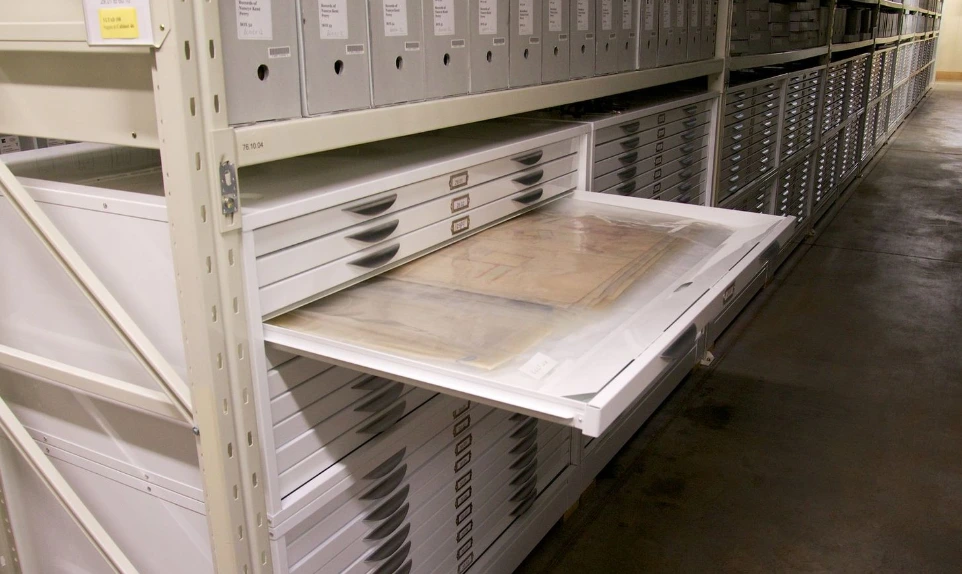
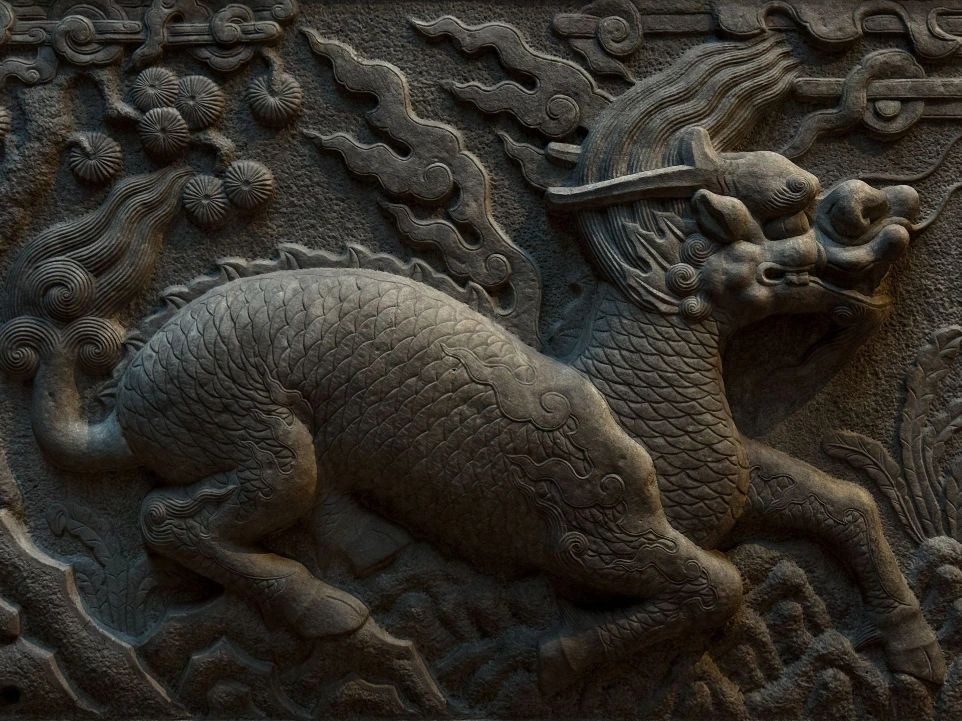
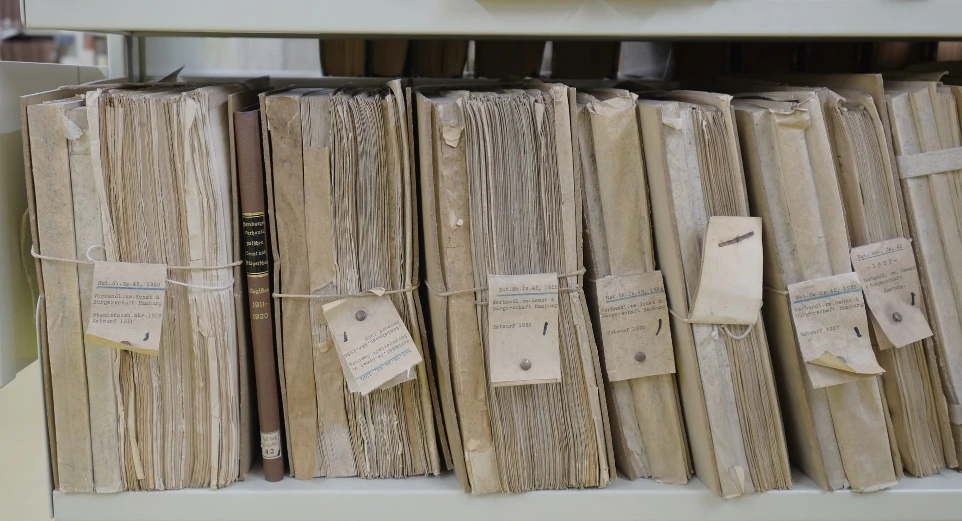
Collections management
Digital exploitation of documentary resources
Apply artificial intelligence to facilitate access to your documentation and to bring out the most useful data.
OCR/HTR Transcriptions
Add an OCR/HTR layer to your document collections to facilitate exploration and find the information you need faster.
Named Entities Extraction
The specific extraction of names, dates, places and themes that interest you allows you to enrich your document indexing.
Digital transition of documentary resources
We offer migration and matching of your paper document collections with your collection management software.
Indexing of collections
Save time on the inventory of your collections thanks to the automatic production of data and the digital consultation of your archives.
Metadata enrichment
Generative AI can be used to produce new metadata, in particular for the inventory of large archaeological or decorative arts collections.
Indexing of the collection according to a predefined thesaurus
Apply your own thesaurus to automatically enrich the documentation of your collection.
Transcription of data tables or inventories
Transform your registers, inventories or checklists into digitally usable databases.
Collections diffusion
Accessibility and interpretation
Enhance the inclusivity of your interpretation content by associating it with adapted and multilingual descriptions or intuitive visualizations.
Generation of artwork descriptions
To accelerate the inventory of large undescribed funds and their online presence, we apply the generation of descriptions according to your rules and vocabulary.
Multilingual translation
Discovering your collections is no longer limited by language barriers.We offer translations tailored to the field of art and heritage.
Visualizations and infographics
Help your audiences understand your collections thanks to automated visualizations and infographics (map of locations, timeline, mosaic by theme, etc.).
Semantic and visual search in collections
Open your collections to searches that go beyond simply indexing content.Your audiences can make queries in natural language and get more specific results.
Searching the content of artworks
Computer vision allows you to search directly into the visual and semantic aspect of your works.Your audiences can search for the themes, subjects, colors or patterns of their choice according to their inspiration.
Similarity search and clustering
We propose grouping images that have similar attributes to reveal major trends or to find images that are closest to each other.
Multimodal text and image search
Break down traditional silos between text and image with multimodal search for complex and heterogeneous collections.
Collections et fonds à valoriser
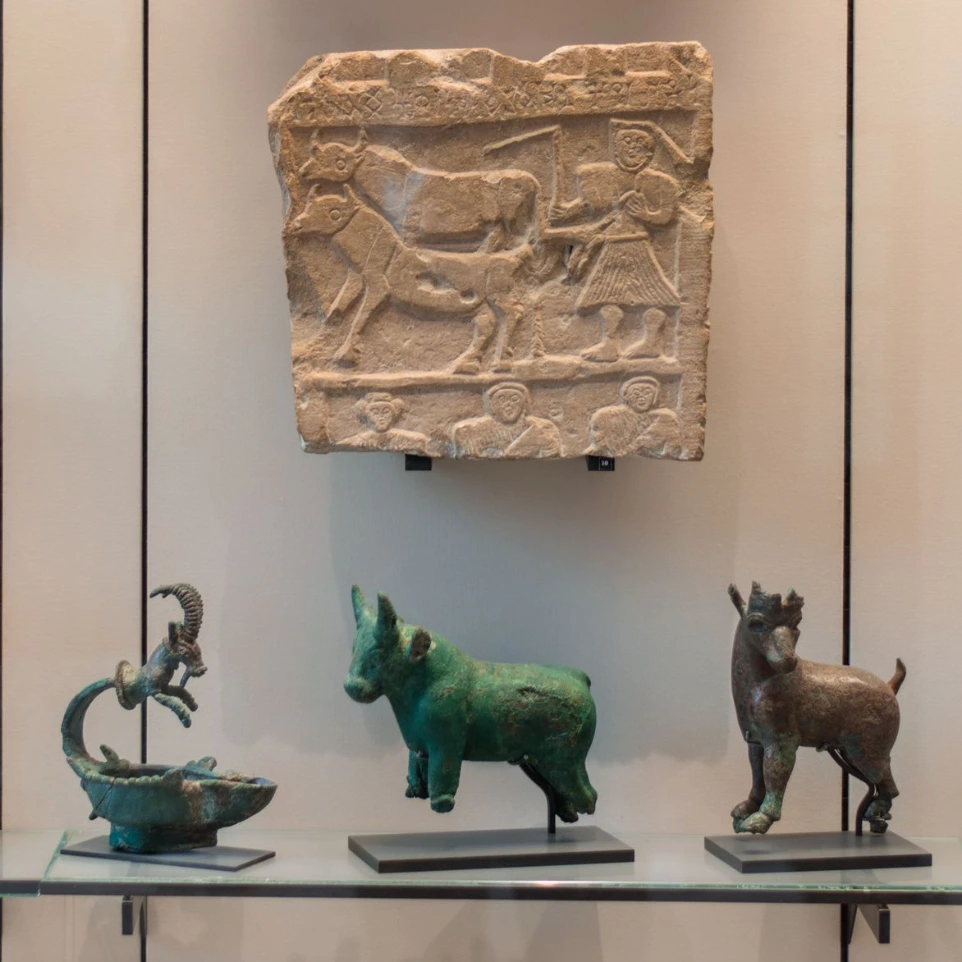
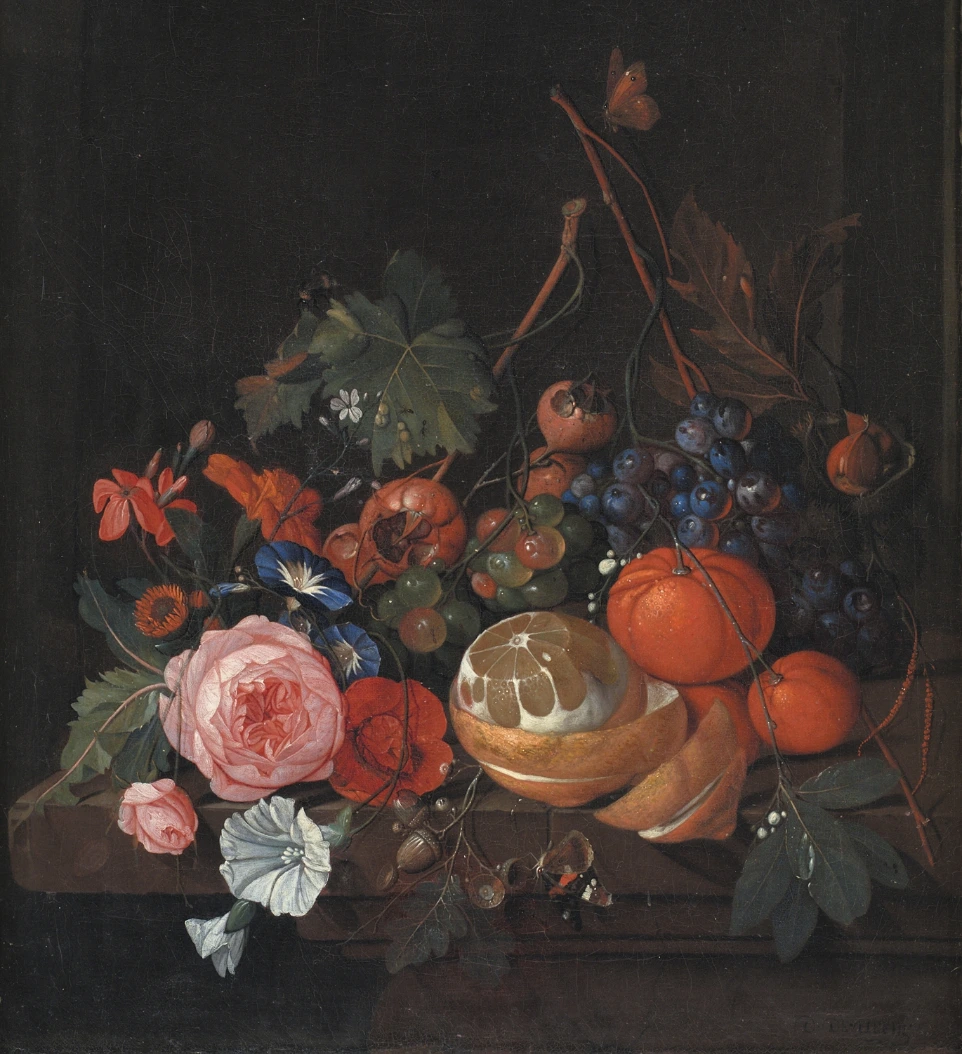
Collections d'oeuvres
Peinture, arts graphiques, arts décoratifs, sculpture...
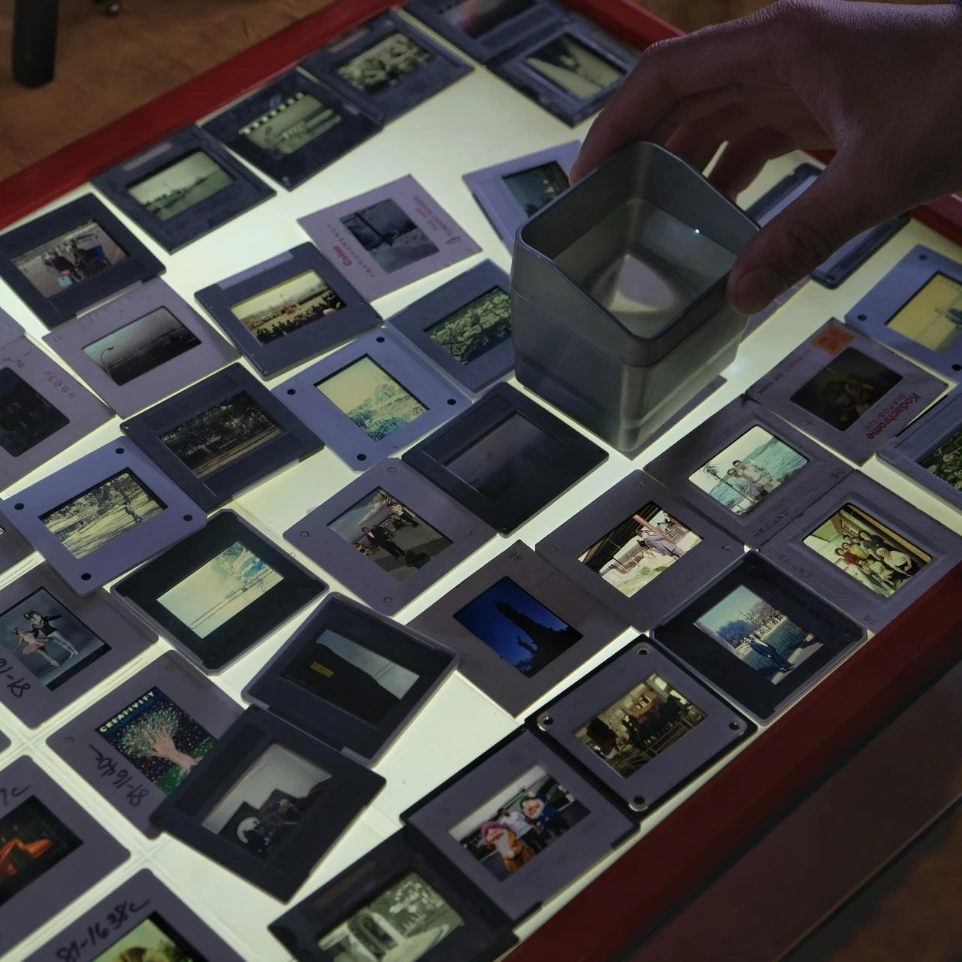
Photographic collection
Prints, negatives, contact sheets...
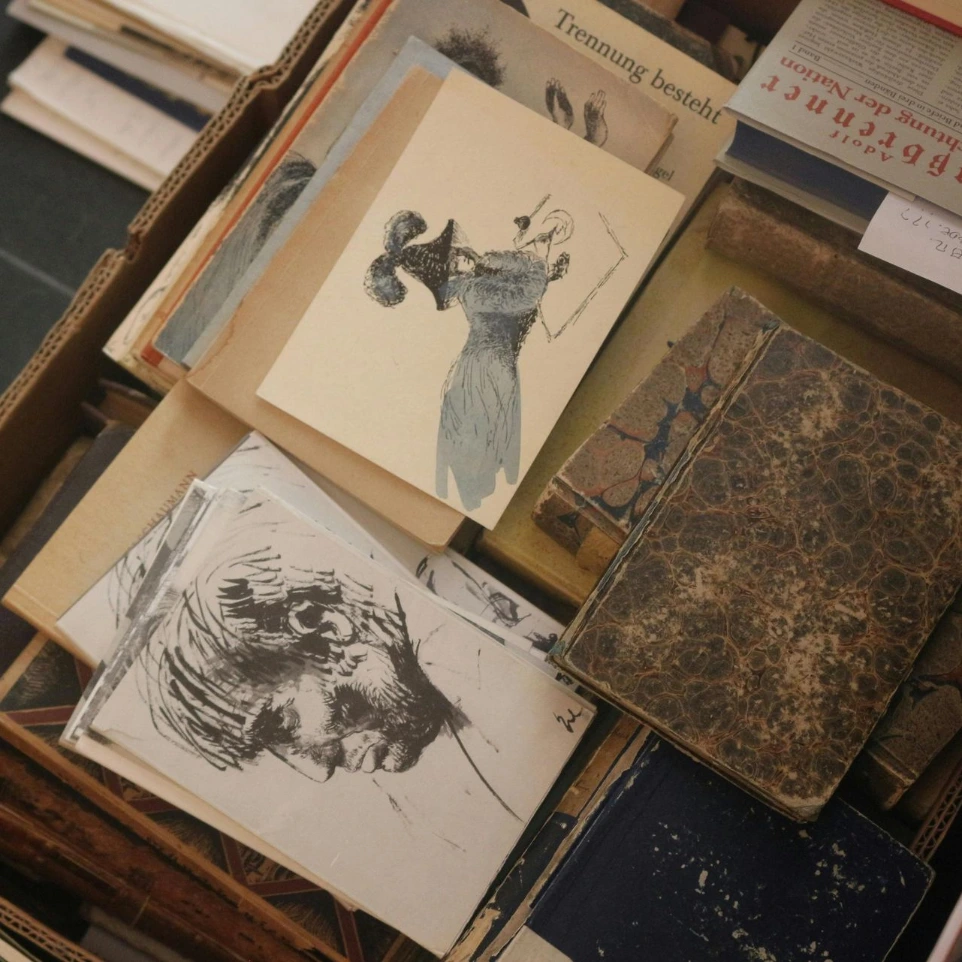
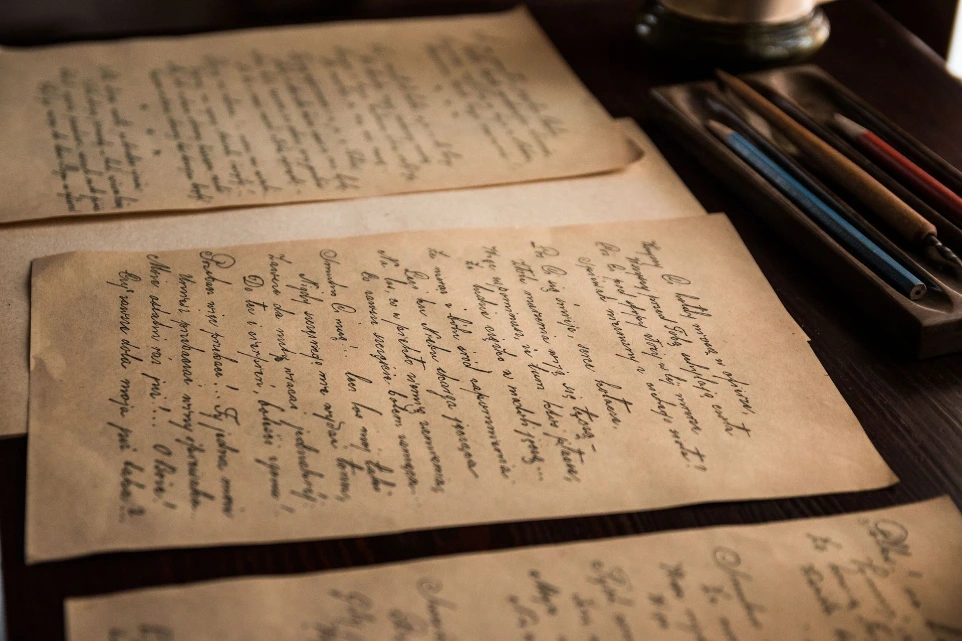
Handwritten, typed, and printed archives
Registers, inventories, index cards, letters...
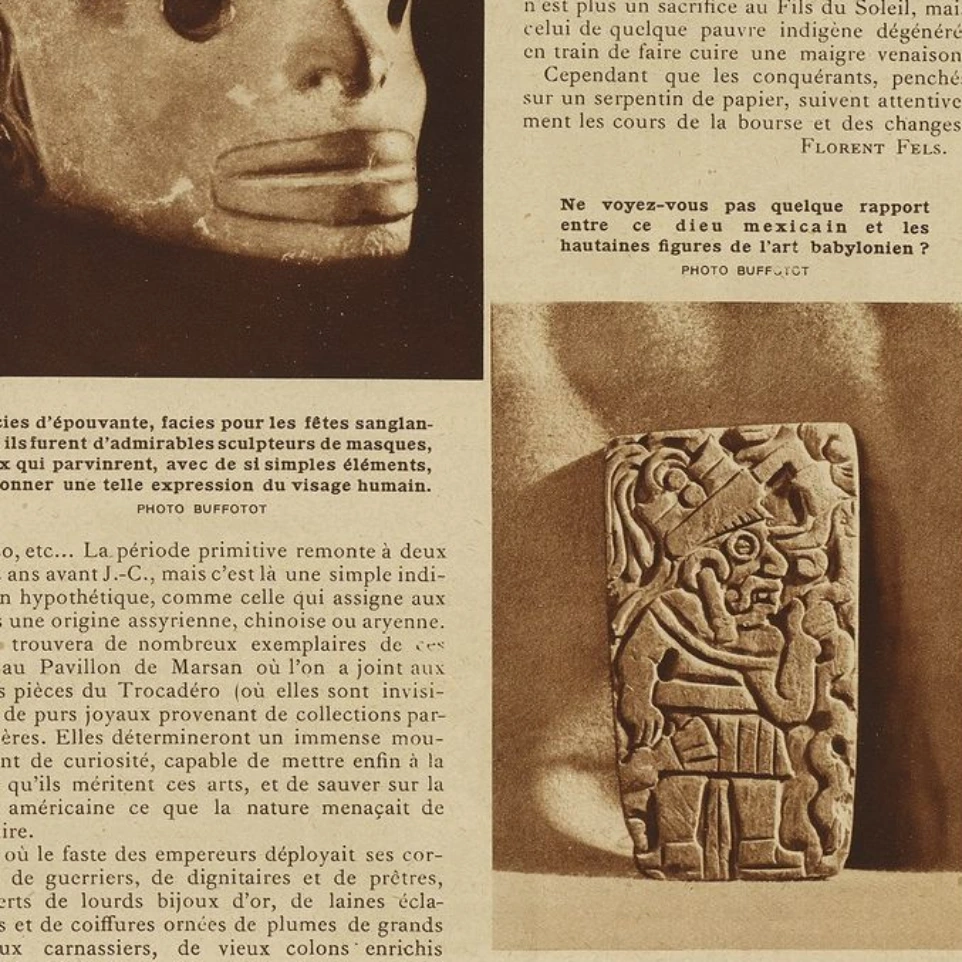
Documentation
Artwork files, scientific publications, catalogues...
A sovereign, controlled and sustainable technology.
Technological independence
Our team chooses the most suitable AI model for each project based on current performance and our clients' criteria.
Controlled production
We implement human supervision and validation methods at each stage of production, in line with the defined objectives.
Energy sobriety
We offer resource-efficient treatments to align your projects with your environmental requirements.

What budget and timeframe are needed for an automated processing project using artificial intelligence?
TEKLIA provides you with a framework document that will allow you to go into detail about writing specifications for your project.
How can you ensure that the data produced is adapted to the specific characteristics of your collection?
TEKLIA's data enrichment projects are always tailored to your specific needs. We take into account the nature of your documents and your performance and data sovereignty requirements to deliver state-of-the-art solutions.
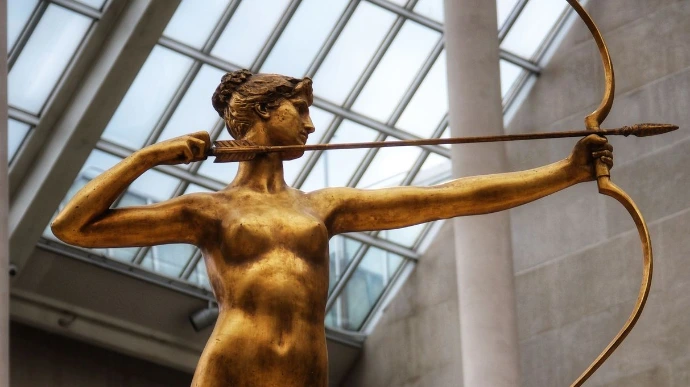
Coming soon: Astrae Collections
Astrae Collections is the discovery platform developed by TEKLIA to explore heritage collections using artificial intelligence. Natural language search, visual similarity, multimodal search and contextual visualizations offer a new experience for consulting works and documentary collections.
The similarity search technologies offered by TEKLIA are derived from work carried out within the framework of the HikarIA project with the Guimet Museum.
References
Our technologies are used by museums, libraries, and heritage institutions in France and internationally. See our work for the Louvre Museum, the Guimet Museum, and other heritage projects.

Musée du Louvre
Departement of Islamic Arts

Musée du Louvre
Oriental Antiquity Department

Musée Guimet
HikarIA Project

IFAO
Excavation notebooks